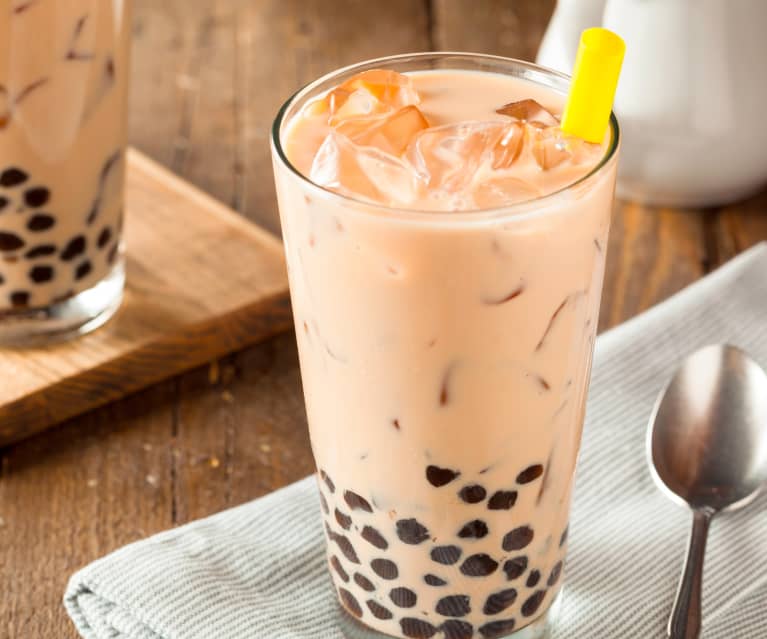
The Mission to the Bottom of the Cup

If you're like me, you not only love your boba tea, but your morning, afternoon, and even evening tea. And despite the possibly detrimental effects of continuous caffeine on my health, I wouldn't have it any other way. In fact, drinking multiple cups of tea every day is the only way I ensure that I'm staying hydrated. To that end, though, I am of the staunch belief that tea can only be consumed at two temperatures: boiling hot, and ice cold. The sensation of lukewarm tea down the throat is somewhat of a nightmare. * shudders violently *

If you're not like me, though, this blog can still be for you! For the next two weeks, I plan to tackle a problem that I've noticed especially recently while staying at home: I rarely, if ever, reach the bottom of my tea pot. More likely, by the time I finish that first cup, the tea in the pot is cold and I pour it down the sink. This, of course, should have environmentalists pulling out their hair. According to the EPA, the average American uses 88 gallons of water daily. True, much of that is from leaks, leaving the tap on, and other small things that we should be more aware of. But, even an eighth of a liter down the drain several times a day adds up pretty fast.

Clean water is a limited resource that is both costly and requires energy to purify for reuse. While fixing pipes and installing more efficient systems should be the long term goal, this is a small thing to save a tiny bit of water every day. So the next time I go to pour out the cold tea, I'll pop that cup in the microwave instead to get it to the desired steaming hot state. Join me in my journey to get to the bottom of the cup, pot, or mug! 

Comments

Popular posts from this blog

Project 6, Prompt 1B: 3 Important Objects

Take an image of 3 items of importance to you. How did you obtain each item? How long have you had each of them? Why are they important to you (currently)? What made these items important to you? Are there any memories associated with them? Stuffed animal The cheetah cub isn’t even the oldest stuffed animal in the house. It was bought before me, and not as a baby shower gift. To be honest, I don’t know who, why, or what it was bought for, but I remember it because I didn’t even notice it existed until after we moved to Atlanta. Some of the stuffed animals didn’t make the first cut and were donated away. Some, like this cub, were left to sit on the top shelf of my closet because the one in my parents’ room had too much actual stuff in it. Originally, the cub was attached to a mother (father?) cheetah. I think to my parents it was symbolic and very endearing, but to 8 year old me, it was very large and clunky. In my eyes, the baby cub was much cuter and I wanted to be able to play wi...

Other Adventures in Recycling

This post was inspired by https://recycling-better.blogspot.com/ and https://ijd267.wixsite.com/trashblog, both excellent blogs about recycling. (Also the origami blog, but I couldn't actually open it) I felt these OSTs were tangentially related to mine, so I might as well give them a shot. While drinking tea is pretty straightforward, recycling better takes some more thought because we generate trash basically all the time. I decided to focus on paper and plastic waste, since those were the most relevant ones to school and being at home. In particular, I realized that I never tried to recycle the paper packaging of each individual tea bag that I use, and that I tend to throw away a lot of plastic things without checking whether they can be recycled. I  realized that the paper on the tea bag is around the dimensions of a dollar bill. To make use of the bags, I folded some into nice origami shapes, like a six-pointed star. Now my whole tea-making process is more envir...

Beyond the Pot: What's Next?

While my blogging journey may be over, I am definitely continuing to drink tea. So I encourage you to think about what you have in your glass, cup, mug, or whatever as you go about your every day life. Humans waste a lot, and not all of it is food. Part of my goal was to actually save water, but another facet of this small thing every day was the prompt myself into thinking more about what I use and whether it is necessary.  For example, I inherited my tea drinking from my mother, who drinks hot tea because that was the only way to ensure the water was clean. I am grateful that boiling water is now taste and not necessity. For all you tea drinkers out there, here are some other things you can do along the same lines. You could invest in a thermos to keep your tea hot (or cold) longer. This saves energy and water at the same time! You could invest in a bigger on smaller teapot based on your average tea consumption. And certainly, if you drink plastic bottled tea, try homemade instea...